

Jose & Stephanie
September 12, 2026 • Carcassonne, France
Jose & Stephanie
September 12, 2026 • Carcassonne, France
The Church

Timeline of the Church's History
Tucked within the medieval hilltop village of Montréal in the Aude countryside, the Collégiale Saint-Vincent has stood as a quiet landmark of southern France since the late 13th century. Built in the elegant southern Gothic style under Pope John XXII, its centuries-old stone walls have borne witness to generations of life's most treasured moments. From its intricately carved choir stalls to its storied grand organ, Saint-Vincent carries within it a beauty that is both deeply rooted and timelessly romantic — a fitting place to begin a lifetime together.

October 01, 1290
The present church building was ordered to begin construction in the late 1200's. Built in the Southern Gothic style with a massive single nave of the region. The gothic style, still visible today, is a result of much Catholic and Cathar debate held in the early 1200's.
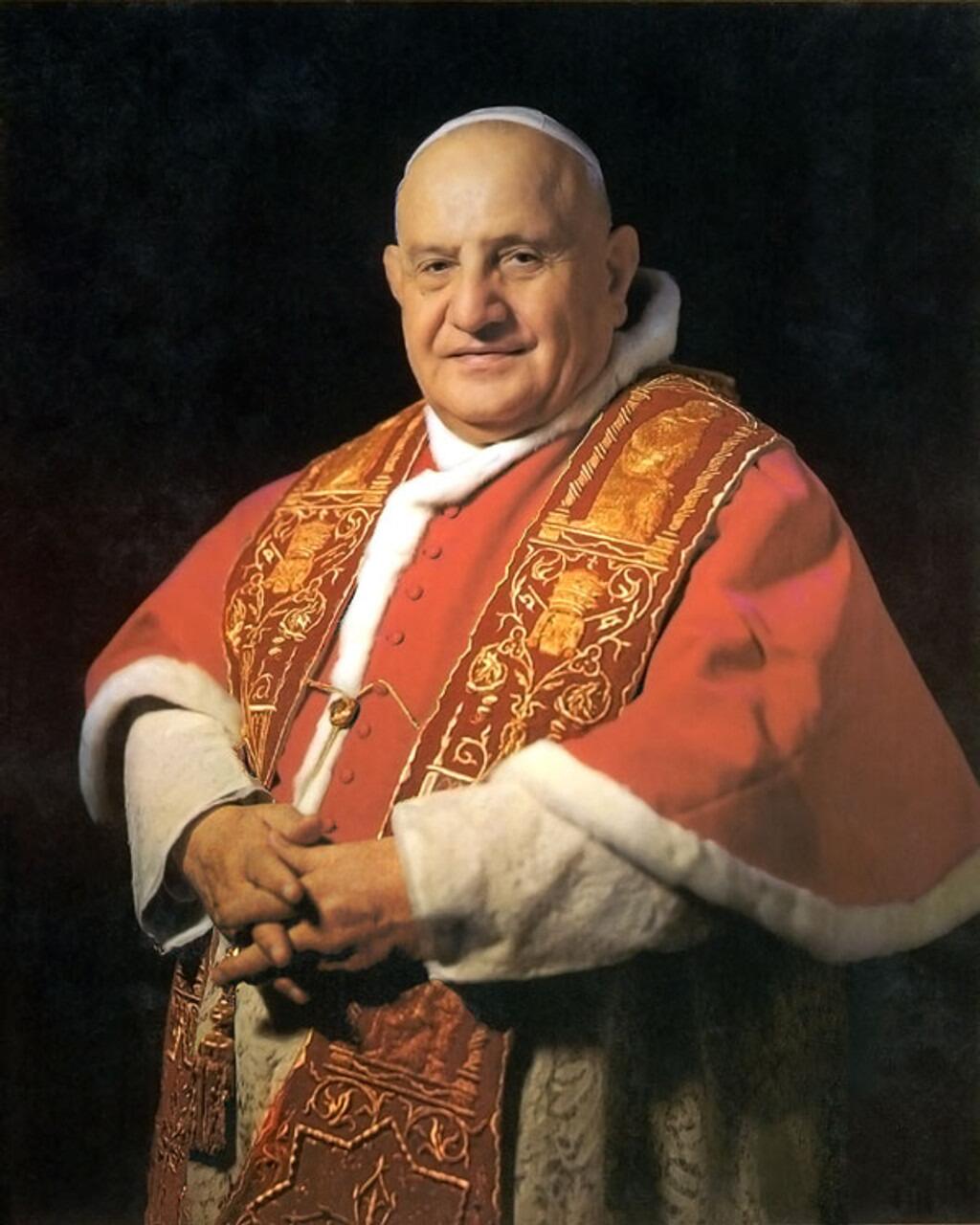
January 01, 1318
Pope John XXII establishes a chapter of clergy at the church and it officially becomes a "collégiale" (collegiate church). The chapter grows to include canons, priests, deacons, and choirboys.
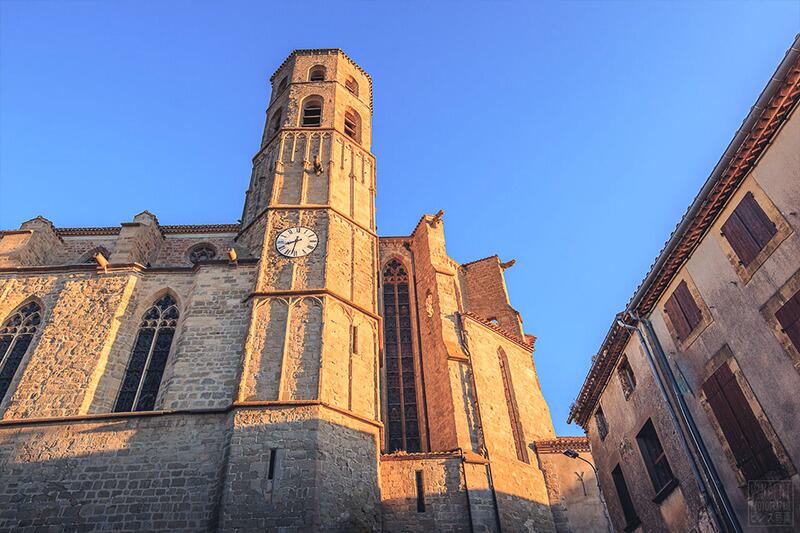
January 01, 1501
Between the 14th-16th century, the church underwent a series of renovations and fortifications. Decorative stone portals and Gothic structural added and the church fortified to protect the town of Montréal during the French Wars of Religion.
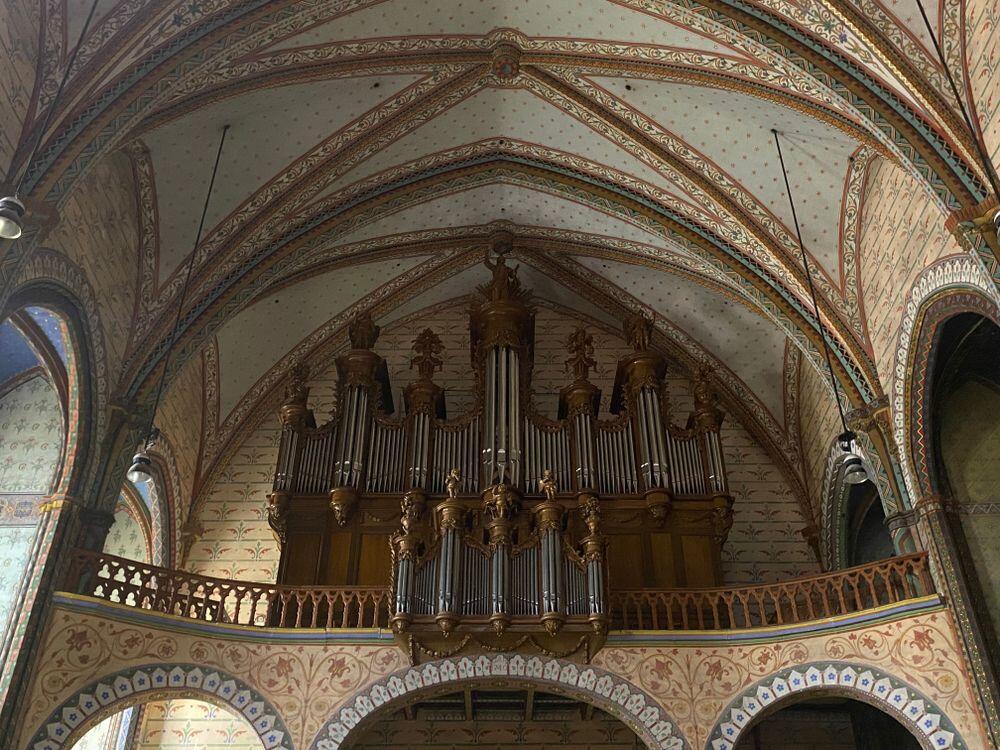
June 01, 1740
A large pipe organ built by Montburn is installed. The original organ was eventually rebuilt in the late 1700's by Jean-Pierre Cavaillé and still remains in full functioning order at the church today.

January 01, 1900
Since the late 1700's the church has remained relatively untouched and in tact. Through the 18th and 19th centuries, minor renovations occurred leading to the modern era of the church where it has been officially recognized as an important historic monument in France. Restoration efforts still continue today with the spirit of preserving the church.